What Is the Best Home Studio Gear On Amazon? 5 Items Reviewed
I’ve spent a lot of time recording and building out home studios for myself and other collaborators. Some of my most popular work was all done to a little Tascam 4-track Portastudio… with clipping and phasing issues all over the place… so above all, the music has to be good. That being said, I feel confident that I know this space fairly well.
Trust me here, I’ve made mistakes and purchased things that break, don’t work as advertised, or just generally disappoint in the recording process. The following items will get your studio up and running without completely breaking the bank. I honestly wish most of this stuff existed when I was starting out in the space, so if it doesn’t get you sounding pro, then you probably have some deeper existential problems to consider… I recommend starting with a good therapist. All items listed in this article are meant to be accessible for purchase and are available via Amazon…
Yes, I make a commission if you purchase through the links provided. However, I do not review items that I have not personally used myself.
1. Acoustic Treatment
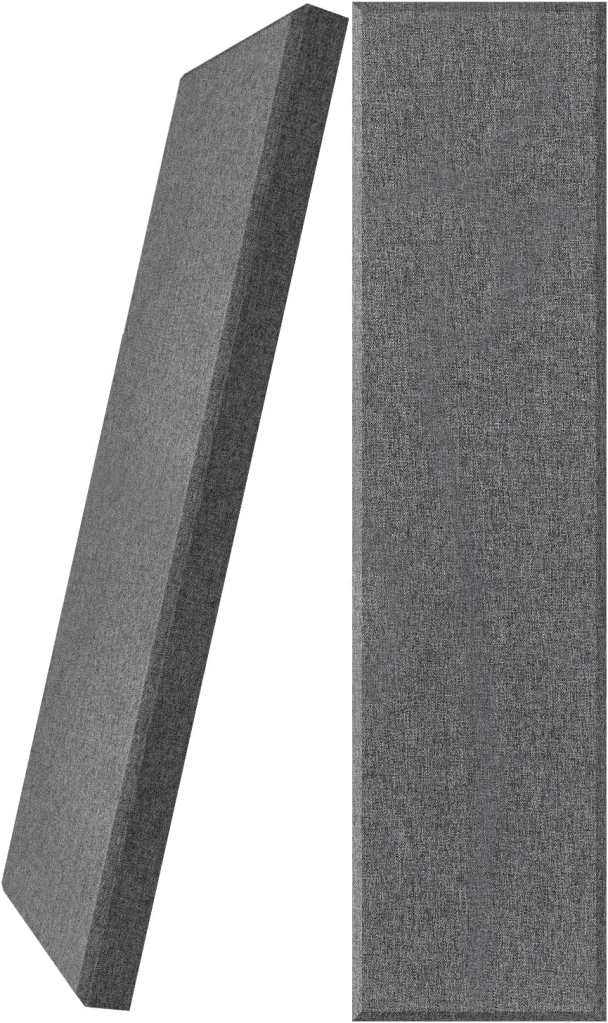
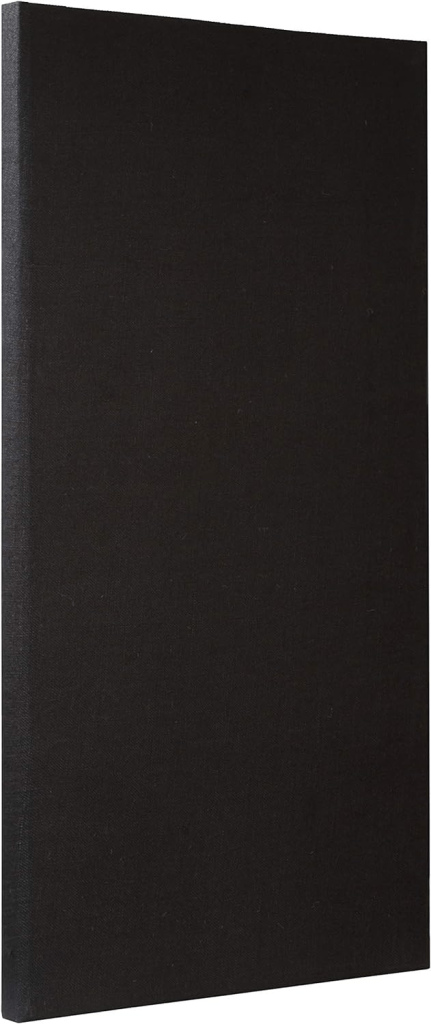
I know… it’s the least sexy thing to buy, but it’s also the most important. Without proper acoustic treatment, your mixing will be inaccurate and you’ll be constantly battling the room to get the sounds you want. Trust me, I once thought this was a bunch of BS until I dropped the money to fix the underlying problems in my studio. Even simple things like adding thick curtains to your windows can help absorb the sound, and avoid having other people witness the garbage you’re creating. So yeah, don’t overthink it.
The following are my recommendations and what I actually have hanging on my walls as I’m writing this post. I took weeks to research these and feel pretty confident that these are the absolute best bang for your buck on Amazon.
2. audio interface
This one is a bit of a tense subject amongst home audio engineers. At the end of the day, you need to keep in mind what your goals are. Do you want to be able to record 10-piece band live? If so, then you should probably get into a professional studio because you don’t know how to do that. Is your goal to just scratch some pro sounding demos that you’ll bring into a full studio later? Then a single input Scarlett will do the trick. It’s all about perspective… and you have none, that’s why you’re here.
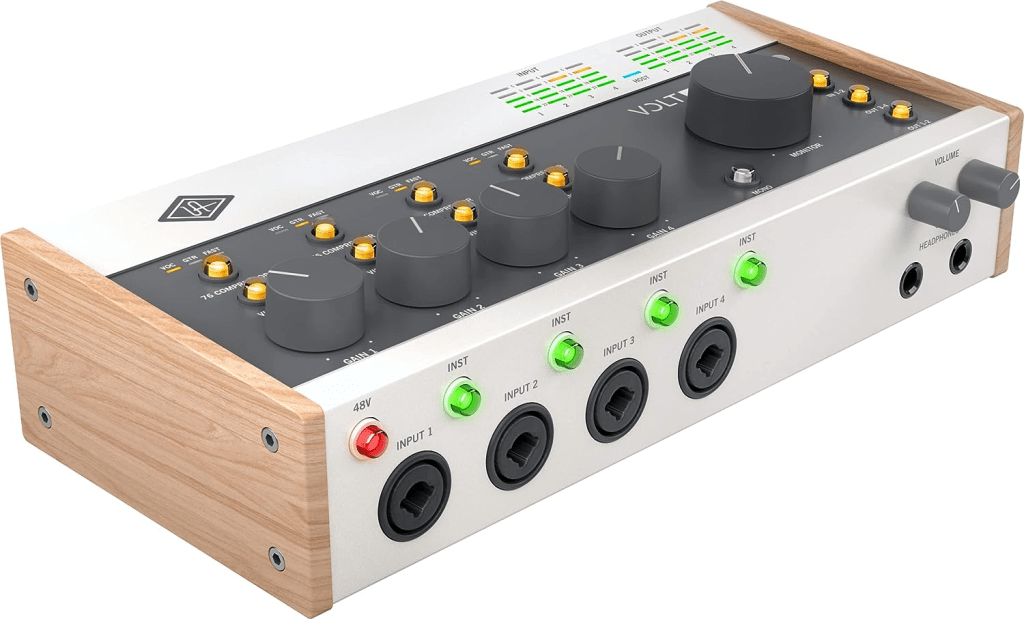
So here is my opinion on the matter… there’s one clear-cut winner in the consumer market right now that can handle anything from simple demos to a full solo record (not a 10 piece band)… and it’s the Universal Audio Volt. If you need anything that this product can’t handle, then you need to start considering a full outboard rig and professional studio build-out. It has 4 pre-amp inputs, each with three different types of onboard compression and a ’76 compressor’ button that emulates UA’s legendary 1176. They make several different models in this series with different inputs/ outputs — I’m currently sporting the UA Volt 476P USB-C and cannot imagine needing anything more in my home arsenal.
Universal Audio Volt 476p USB Audio Interface
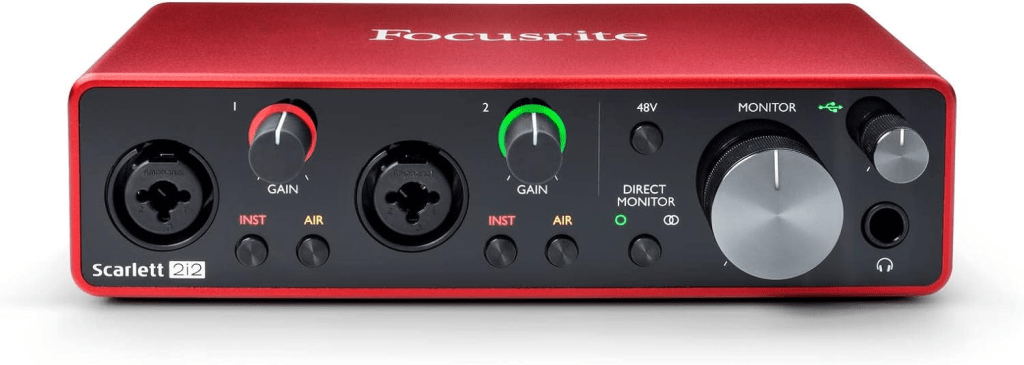
It wouldn’t be right without giving the Focusrite Scarlett 2i2 USB Audio Interface and honorable mention here.
3. Studio Monitors
Another big point of argument amongst the keyboard warriors of reddit and audio engineering blogs. Again, don’t overthink this one. If you’ve got the room sound conditioned and your playing is good, most standard pairs of monitors will get the job done… I recently saw an interview with Billy Eilish and Finneas as they toured their home studio (these two famously record everything at home). I was expecting to see a pair of $20,000 Focal monitors in their setup and instead… a pair of Yamaha HS8’s. Finneas even had a pair of Rokit 5’s at his little mixing station.
What’s the morale of the story here? If you put shit in, then you get shit out. There’s only so much your monitors are going to do to help your inability to write good music. Here’s my overall pick.
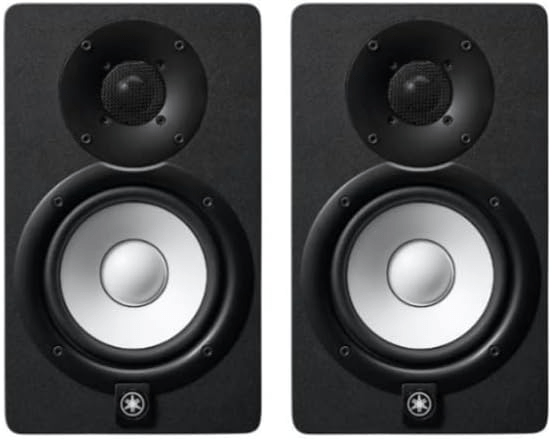
YAMAHA HS5 2-Way 70W Bass Reflex Bi-Amplified Studio Monitors
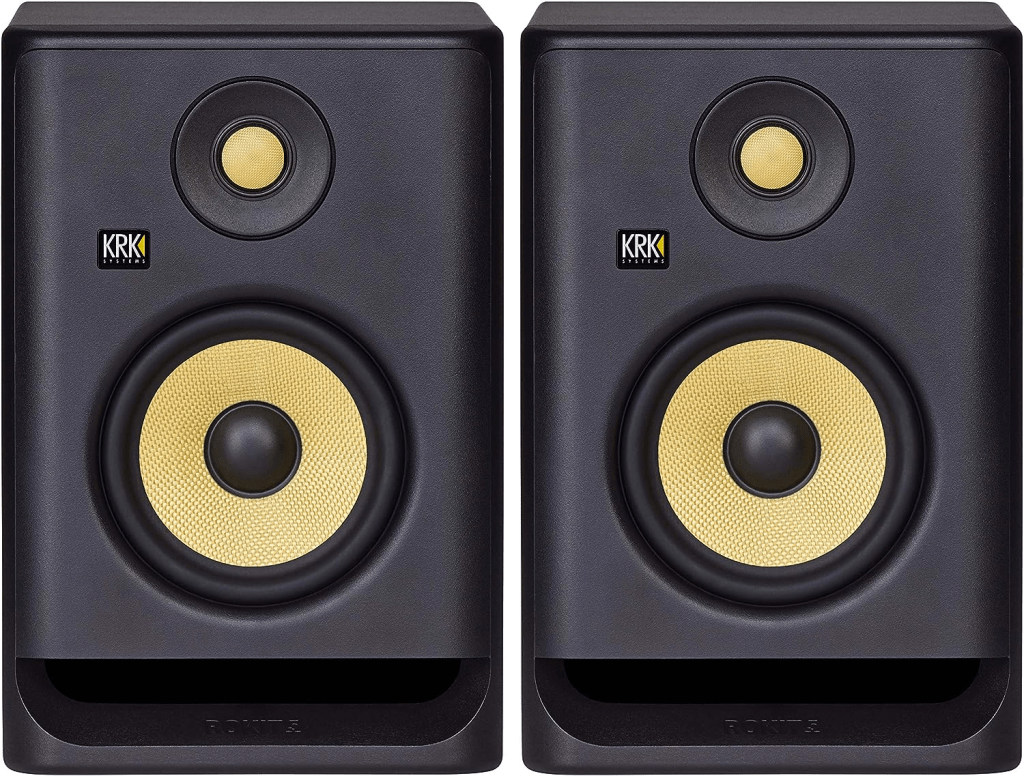
And honorable mention to the KRK RP5 Rokit 5’s for their contribution to home studios and hip hop music history.
4. microphone
Look, this is a list-acle. I want you to get what I think will be the most versatile options possible for capturing a good sound that you can work with in your DAW. You can go out there and purchase an $8,000 Neumann U67 for your home studio, but at the end of the day it won’t help you with that mid-life crisis you’re writing about in your songs… again, start with a therapist.
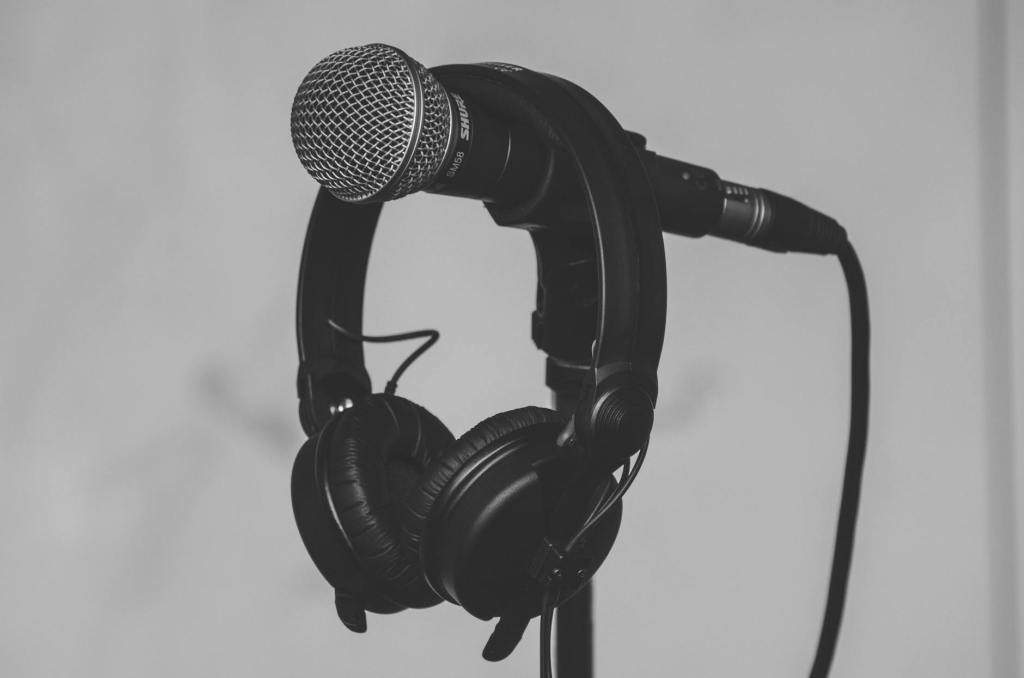
Overall, there’s three microphones I go with in my studio and they capture everything. It’s the Shure SM57 for my amps and instruments, Shure SM58 for most vocals, and my Pinnacle Fat Top ribbon mic handles lead vocals and trumpet. If I had to pick only one that can do it all, it’s the SM58.
Shure SM58-LC Cardioid Dynamic Microphone

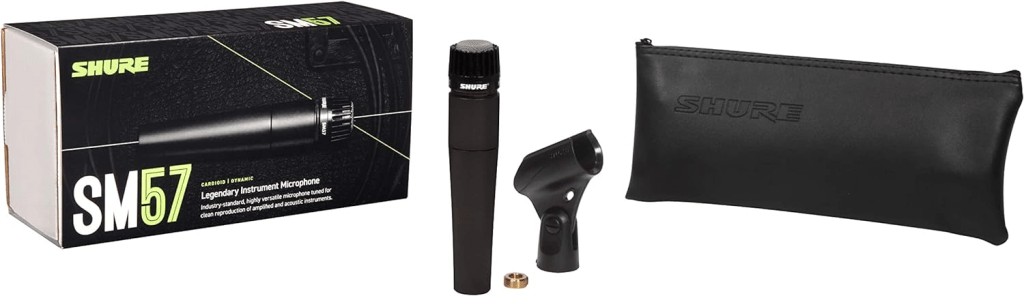
Shure SM57 Dynamic Instrument Microphone
5. headphones
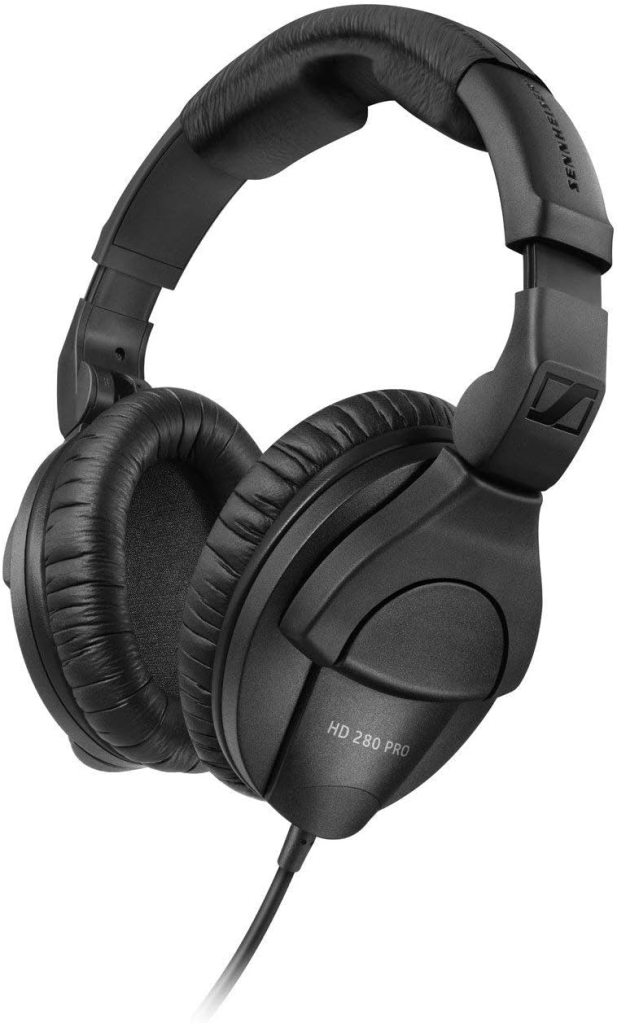
These bad boys are my ride or die monitoring headphones. Don’t tell your producer friend, but I’ve even used the HD 280s for mixing sessions and absolutely love them. Not much more to say here — stop researching headphones now and pick up a pair. They’re comfortable, have a very neutral and true sound, and durable (if you’re like me, your headphones take a beating and durability is a BIG factor in the decision). BUY THESE!
Sennheiser Professional HD 280 PRO Over-Ear Monitoring Headphones
Conclusion
At the end of the day, a lot of the gear you work with is going to always boil down to the projects you’re trying to achieve. What works for me may not be exactly what you’re looking for, but I can tell you that I have been able to achieve pretty darn good results from most of the stuff on this list. Subscribe to my page or reach out on my contact form for requests on additional blog posts and items for me to review. Happy recording y’all!
 jslavinmusic.com